
Disclaimer: Views in this blog do not promote, and are not directly connected to any L&G product or service. Views are from a range of L&G investment professionals, may be specific to an author’s particular investment region or desk, and do not necessarily reflect the views of L&G. For investment professionals only.
Looking beyond the boardroom: What site visits reveal about UK small caps
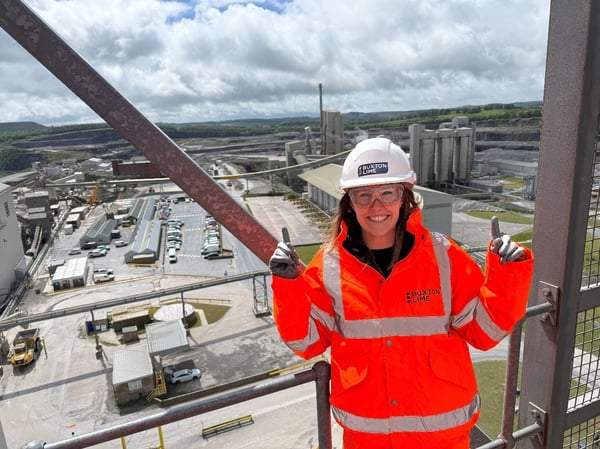
UK portfolio manager Camilla Ayling recently clocked 430 miles across three days visiting two UK-listed companies. The trips reinforced how seeing operations and meeting employees and customers can help investors better assess potential opportunities and risks.
A higher hurdle
UK smaller companies typically have more limited sell-side research coverage, less institutional ownership, and greater information asymmetry compared with their large-cap peers. This can create potential opportunities for long-term active investors who are willing to undertake detailed fundamental research, but it also raises the due diligence bar.
This is even more relevant with AIM[1] stocks, where lower listing and governance requirements mean we apply heightened scrutiny to management alignment, board quality, accounting and disclosure.
Why site visits matter
We regularly meet management teams, engage with boards where relevant and visit companies’ operations to build a fuller picture of how businesses really work. Site visits are one way of testing whether the story presented to the market matches the reality on the ground. Seeing the physical assets, meeting operational teams and hearing from customers can bring more colour to our research than a London C-suite meeting alone.
These visits also help us stay balanced. Small-cap investing can involve greater volatility, lower liquidity and higher stock-specific risk. A factory tour will not remove those risks, but it can sharpen our understanding of where a company’s competitive advantages are real, where execution risk sits and what we should keep monitoring.
To illustrate this point, here are two examples of recent site visits and what we gleaned from them. Both case studies below are for illustrative purposes only and do not act as a recommendation to buy or sell any security.
Case study one: SigmaRoc* in Buxton
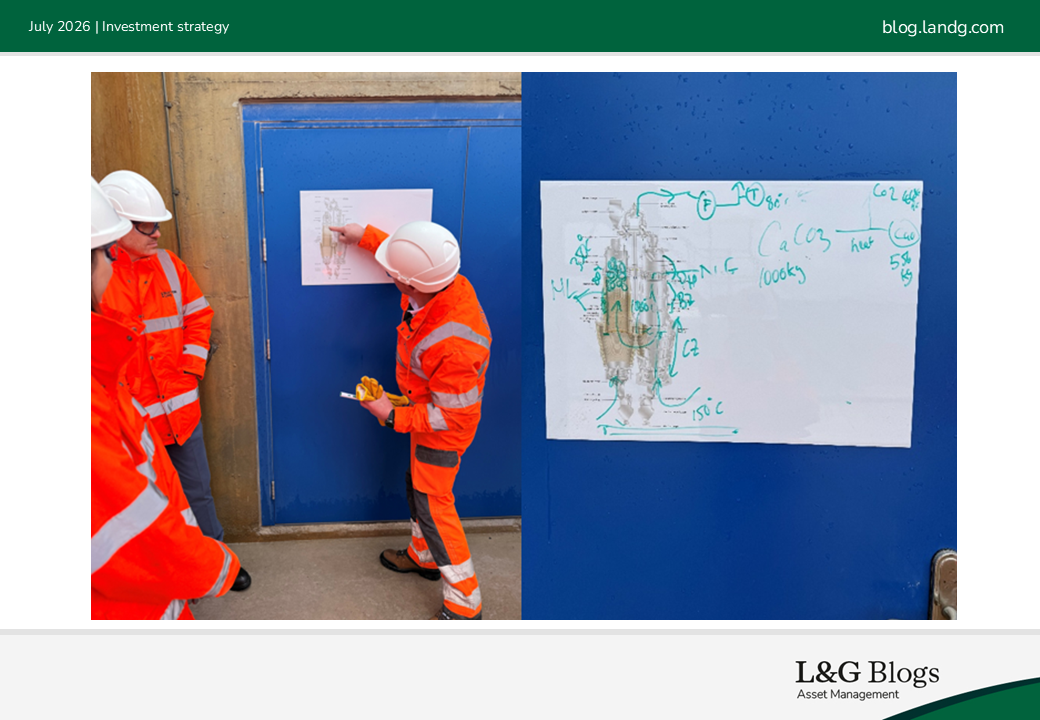
When evaluating UK small cap stocks, we look for businesses with strong market positions and durable barriers to entry. We recently visited SigmaRoc*, the UK’s market leader in lime production[2], at its Buxton site in the Peak District. Spending time with the team there gave us additional perspective on its strategic asset base, disciplined operations and buy-and-build strategy.
Lime is rarely seen but is used in over a hundred critical processes including water treatment, soil stabilisation and lithium refining (for EV batteries for example). Quicklime is a hazardous alkali, so our safety briefing was essential before we put on seven items of PPE (from steel capped boots to ear protection) and headed out to the kilns.
The visit highlighted their operational complexity: decisions about running speed and utilisation are guided by returns rather than headline volumes, reflecting a margin‑first mindset. This point is easier to appreciate when at the operational kiln site speaking to the managers in the control room, rather than reading about it in the annual report.
The visit also reinforced the importance of asset scarcity, purity and location. With around 200 million tonnes of reserves and a reserve life of over 100 years, Buxton is the type of 'heavy asset, low obsolescence' (HALO) asset that merits further research. These reserves, together with its kiln infrastructure and market leadership, would be extremely difficult to recreate in what is a highly regulated, capital-intensive sector, while most of its end markets remain essential in the face of economic or technological change.
However, it also carries areas we continue to monitor, including energy intensity, carbon emissions and the cyclicality of particular end markets. For example, despite the company’s efforts to experiment with hydrogen, around two‑thirds of CO₂ emissions are process‑related and unavoidable, meaning lime production is a CO₂-heavy process.
Case study two: ZigUp* in Hoddesdon
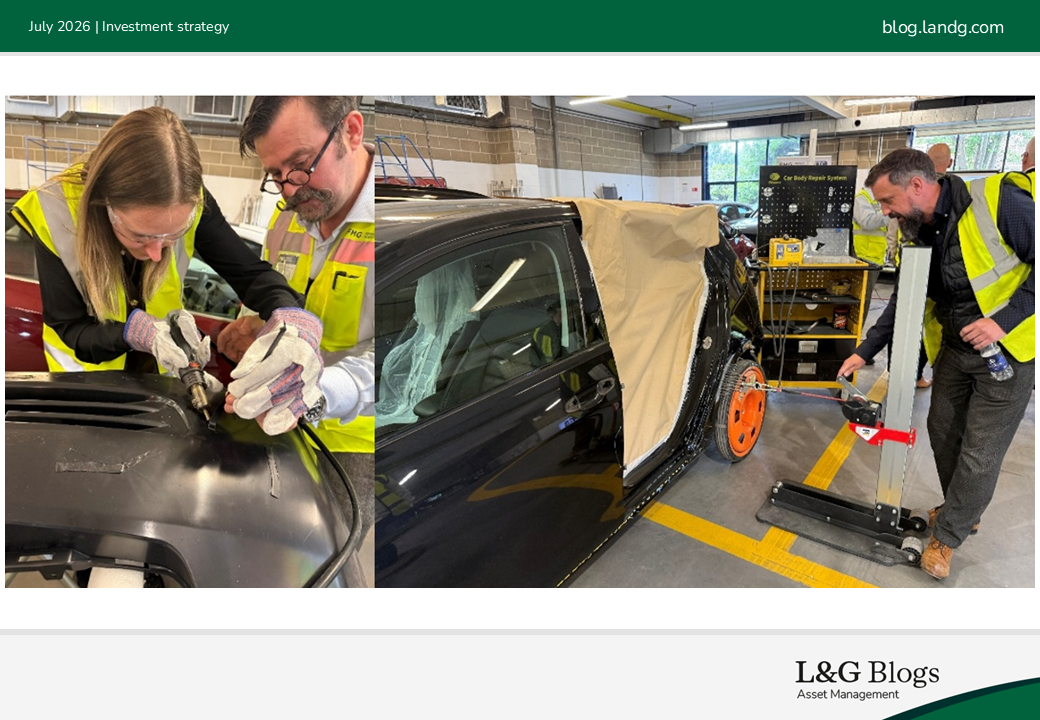
When evaluating UK small cap stocks, we also look for businesses with embedded customer relationships and opportunities to reinvest capital at attractive returns. Back on the train the next day, it was time to visit ZigUp*, a vehicle rental, repair and fleet services group. This is another UK-listed Industrials business but a very different one operationally from SigmaRoc*. Yet the same principle applied – walking the floor helped us evidence what their competitive advantage looks like in practice. Across two of their sites in Hertfordshire, we toured both a bodyshop and a rental operation.
At the repair site, the scale and professionalism of the operation stood out, reflecting the industry's shift towards larger, better-equipped facilities, driven by vehicle complexity and insurer requirements. The fact it was a genuinely hands-on visit, including trying my hand at nitrogen welding, helped bring the repair process to life.
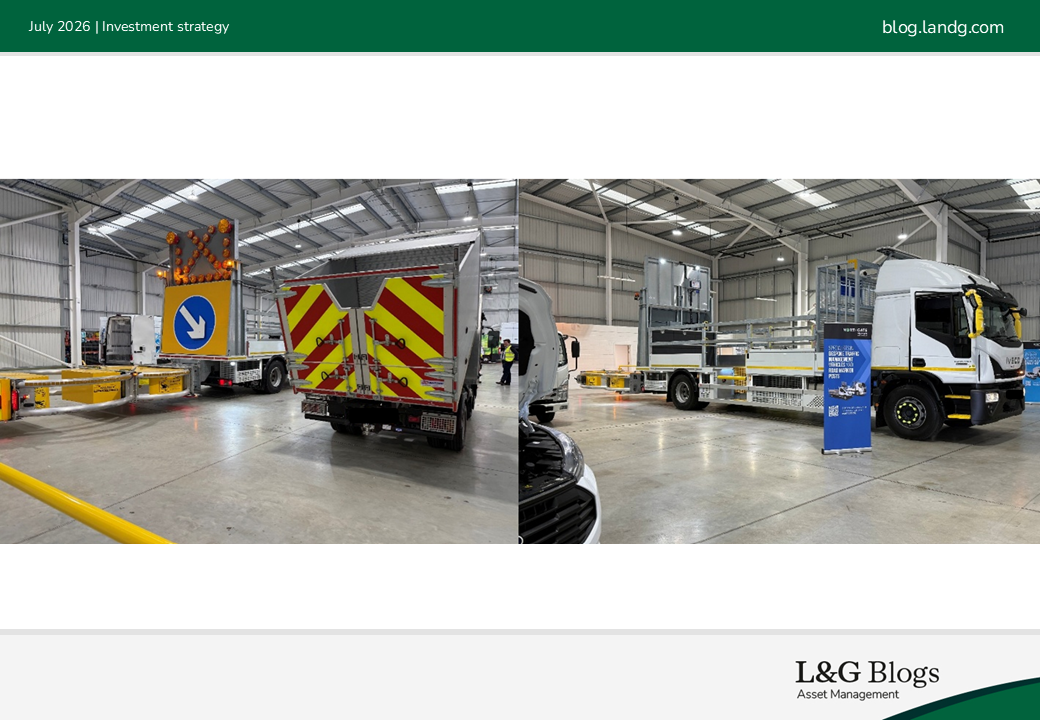
Next we headed by minibus to their rental site a few minutes away. Seeing their specialist vehicles including impact protection vehicles (for motorway maintenance etc) and NHS refrigerated vans helped reinforce our view that breadth of fleet services is a true differentiator. This acts as a barrier to entry that is difficult for smaller, independent competitors, or indeed companies in-sourcing their fleet operations, to replicate. The visit also highlighted areas we continue to closely monitor, including EV adoption trends, utilisation rates and fleet residual values. For example, a corporate customer transitioning their fleet to EVs can lead to lower running costs, but practical barriers remain such as how their employees charge these vehicles at home and the associated reimbursement.
A balanced part of the process
Across both visits, the value-add was the ability to consider whether management priorities are embedded in day-to-day operations, whether customer relationships and end markets are durable, and whether risks are being addressed with the right level of discipline. Site visits are one input into our broader investment process. In UK small caps, where governance, liquidity and execution risk are crucial, getting away from the screen can be an important way to challenge assumptions and build conviction carefully.
*For illustrative purposes only. Reference to a particular security is on a historic basis and does not mean that the security is currently held or will be held within an L&G portfolio. The above information does not constitute a recommendation to buy or sell any security. Assumptions, opinions, and estimates are provided for illustrative purposes only. There is no guarantee that any forecasts made will come to pass.
We have permission from both SigmaRoc and ZigUp to mention them in this piece.
[1] Alternative Investment Market
[2] 13.05.2026: SigmaRoc is the UK’s no.1 lime producer with no.1 positions held across Ireland, Norway, Sweden, and Finland too. No.2 market position held across Germany, Poland and Czechia. Across UK & Europe, SigmaRoc holds 20% market share. Investor Presentation 2026.

Recommended content for you
Learn more about our business
We are one of the world's largest asset managers, with capabilities across asset classes to meet our clients' objectives and a longstanding commitment to responsible investing.