
Disclaimer: Views in this blog do not promote, and are not directly connected to any L&G product or service. Views are from a range of L&G investment professionals, may be specific to an author’s particular investment region or desk, and do not necessarily reflect the views of L&G. For investment professionals only.
Scarce no more: RBI swap window revives Indian IG supply
We explore how new measures from India’s central bank are reshaping IG issuance
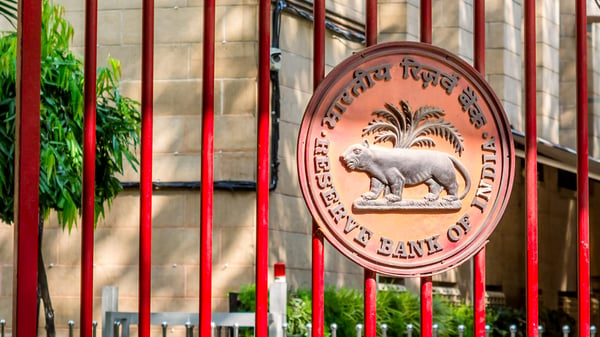
Following a period of rupee weakness, the Reserve Bank of India (RBI) introduced a set of measures in June 2026 aimed at attracting foreign capital into the country’s banking system. This move has increased the previously scarce supply of Indian investment grade (IG) bonds and has created some selectively attractive entry points.
The package comprises two concessional US dollar-to-rupee swap facilities:
1. A facility for non-resident Indians (NRI) placing fresh foreign currency deposits (FCNR (B) [1]) with Indian banks
2. A facility allowing eligible public sector undertakings (PSUs) and banks to access overseas borrowing at a subsidized swap rate of 1.5%, which raises external commercial borrowings (ECB).
These measures are accompanied by cash reserve ratio and statutory liquidity ratio exemptions and are available only for borrowings and deposits with maturities of three to five years. This concessional swap facility would apply to FCNR (B) deposits until 30 September 2026, and to ECB until 31 December 2026.
The leverage feature is an important demand amplifier. The RBI has confirmed that banks may extend loans or issue standby letters of credit (SBLCs) against eligible FCNR (B) deposits, allowing overseas lenders to finance NRI depositors against the deposit collateral. Currently, banks are typically offering leverage of nine times the initial deposit.
Funding and liquidity impact on banks is a positive
Progress has been more pronounced on the FCNR (B) front with more than US$28 billion raised since the start of the scheme through to the end of July, while ECB inflows have been more modest, according to RBI data. Market expectations are for $50-80 billion of total inflows, and most is expected to come from FCNR (B) deposits.
These inflows could constitute 2.5-5% of overall bank deposits and support onshore liquidity. In recent years, loan growth has outpaced deposit growth, leading to tight loan-deposit ratios for banks and the need to tap costlier wholesale funding channels. For banks, the inflows can ease tight loan-deposit dynamics and reduce reliance on costlier wholesale funding. However, weak current and savings account deposits formation remains a medium-term constraint on funding mix. Additionally, greater onshore liquidity could also ease liquidity competition and reduce funding costs for businesses.
Indian IG supply has increased and could potentially rise further
Indian banks have stepped up offshore (mainly US dollar) bond issuance to support the growing demand for leveraged deposits by NRIs. Prior to the RBI’s announcement of the swap facility, investment-grade bonds issued by Indian financial institutions, particularly banks, were available but relatively limited in supply. Since then, issuance has increased, with both public and private sector banks coming to market with new deals offering notable new issue premiums. Existing bonds have also been tapped more frequently.
We believe it is likely that supply will continue from Indian IG issuers over the next couple of months. The RBI’s measures are helping to improve liquidity across India’s banking system while encouraging a greater supply of high-quality credit. For investors, this has created potential opportunities that were previously harder to find.
In our view, issuers will be sensitive to the risk that higher issuance volumes could push spreads materially wider. Indian IG bank senior spreads have already widened somewhat since early June.
However, with more compelling spread levels and Indian financials performing solidly in a well-controlled credit cycle, which helps mitigating supply risk, we believe that the senior bonds of leading public sector and private sector banks in India look attractive.
[1] FCNR(B) stands for foreign currency non-resident (B) and the account is a fixed-term deposit account that non-resident Indians can open with authorised Indian banks in foreign currency. The funds in this account and the interest accrued are tax-free in India and freely repatriable with no limits.

Recommended content for you
Learn more about our business
We are one of the world's largest asset managers, with capabilities across asset classes to meet our clients' objectives and a longstanding commitment to responsible investing.